


What Questions Should You Ask When Visiting a Care Home?

Families often walk into a care home feeling unsure of what to look for, what matters, and what’s just “window dressing.” After years of building and running family‑based care homes, I’ve learned that the most important indicators aren’t on a checklist - they’re in the atmosphere, the energy, and the way life unfolds inside the home.
Below are the questions I believe every family should ask, paired with the real stories, experiences, and cues I personally rely on when evaluating a home.
The First Impression Questions
What do the light and smell tell me?
Before anyone speaks, your senses will tell you the truth. I always notice two things immediately:
Light: Is it warm, welcoming, and lived‑in - or harsh, clinical, and hospital‑bright?
Smell: Does it smell like home, or like antiseptic? Homes should smell like life happening, not like a facility.
These cues reveal whether the home is designed for comfort or for convenience.
How does the caregiver’s energy feel?
I don’t listen for specific words - I listen for heart. Caregivers who speak in plain English, who talk like real people, usually care like real people. When someone leans heavily on clinical terminology, it’s often a sign they’re operating from a place of procedure rather than connection.
Energy doesn’t lie.
The Humanity Questions
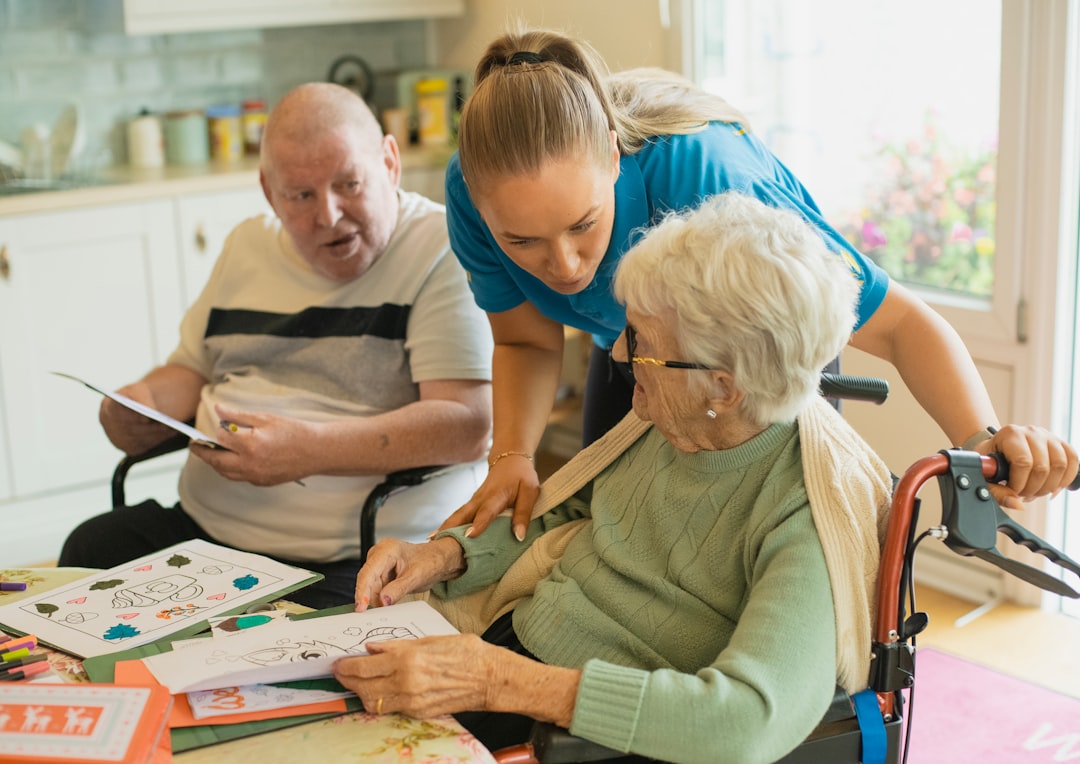
Do caregivers stay calm when real life happens?
One of the strongest indicators of a good home is how caregivers respond when something goes “wrong.”
A spilled drink. A rambunctious dog. A moment that doesn’t fit neatly into rules and regulations.
The best caregivers handle these moments with grace - not panic, not irritation, not rigidity. Life is happening, and they’re steady inside it.
Do they talk about residents as people, not diagnoses?
When I ask caregivers about the people they care for, I listen for stories - not symptoms.
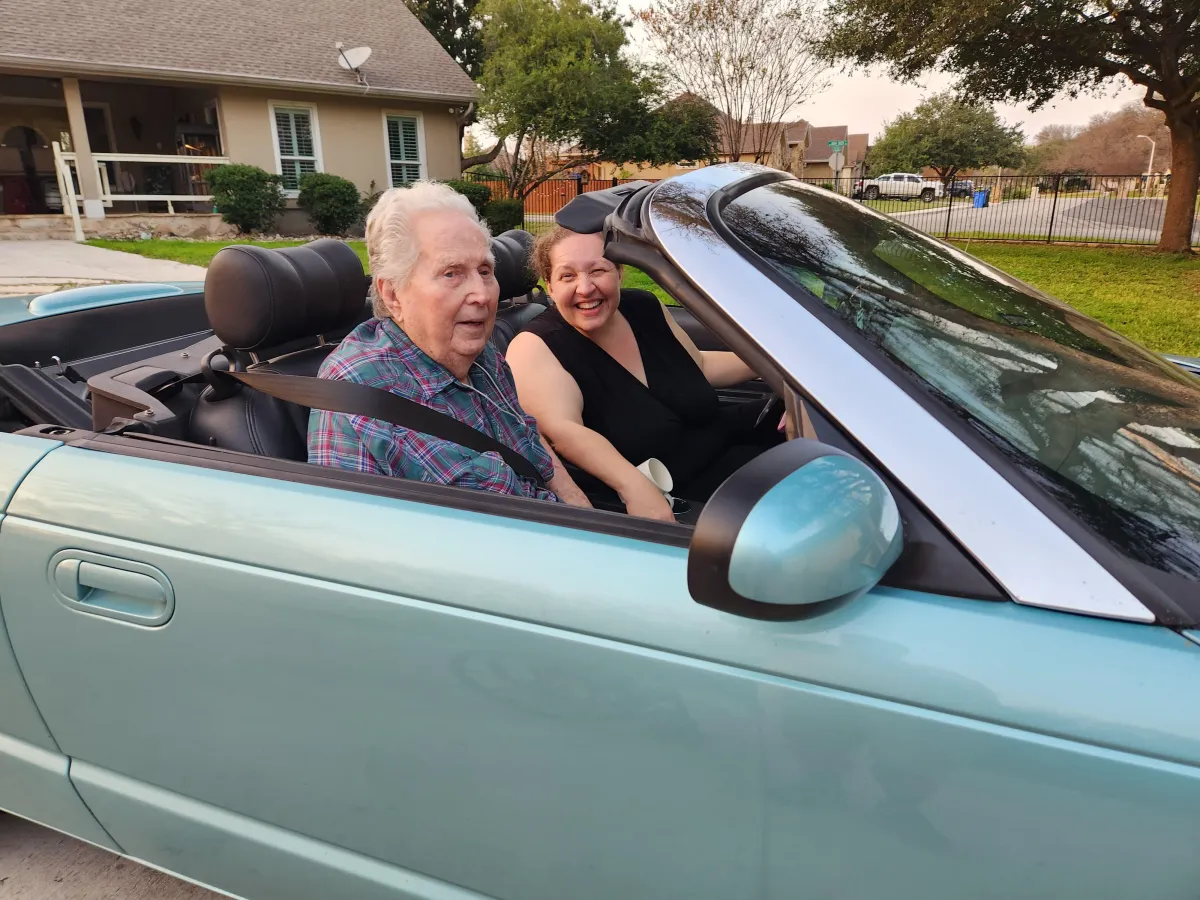
I think of Ed, one of our residents. When we talk about him, we talk about how he was 101, met Bonnie and Clyde as a teenager in North Texas, and sold appliances door‑to‑door when electricity was brand new. We talk about his life, not his medical chart.
If a caregiver can tell you who someone is, not just what they need, that’s a home worth considering.
The Subtle Red Flag Questions
Does the energy feel “off” even if everything looks fine?
Sometimes a home looks clean, organized, and technically correct - but something in your body says no.
For me, the red flag is nonchalance. Not calmness - calmness is good. Nonchalance is “it’s not important.” Calmness is “it’s important, and I’m not going to panic.”
That difference matters.
Is medical equipment hidden or front‑and‑center?
Most families don’t think to look for this, but it tells you everything.
A real home hides DME (durable medical equipment) so the environment still feels like home:
Oxygen concentrators tucked behind a recliner
Gloves and wipes in a drawer, not on the counter
Luxury linens on the bed instead of hospital sheets
Visible medical equipment is a constant reminder that you’re in a facility, not a home.
The Resident Well‑Being Questions
Do the residents seem at peace?
You can see it in their posture, their eyes, their breathing.
One of our residents is non‑verbal and has vertigo. Moving him from a chair to a couch takes time, patience, and emotional attunement. We never force the timeline. We wait until he feels safe.
If residents look anxious, rushed, or afraid, that’s a sign the home is running on schedule -not on care.
Does the kitchen look used?
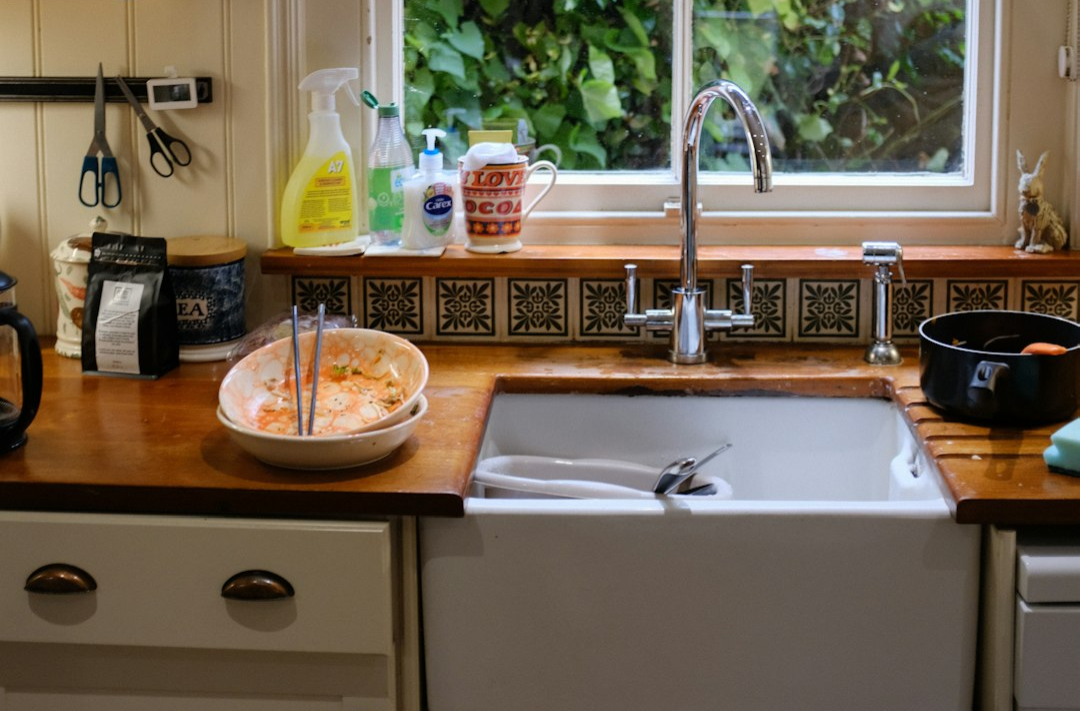
A well‑used kitchen is a sign of shared life.
I actually like seeing a few dirty dishes - not an overflowing sink, but evidence that real meals are cooked and shared. Homes that rely on TV dinners, disposable trays, or paper plates are prioritizing convenience over connection.
Meals should feel like family, not food service.
The Rhythm Questions
Are routines flexible and resident‑driven?
Ask about visiting hours and meal times.
If they’re rigid, that’s a schedule. If they’re flexible, that’s a rhythm.
Homes should move with the residents, not force residents to move with the clock.
The Final Question
Would I live here?
This is the question I ask myself every single time I walk out of a home.
Not “Is it acceptable?” Not “Does it meet requirements?” Not “Is it clean?”
Just: Would I want to live here?
If the answer is no, it’s not the right home for someone you love.