



What it Takes to Build or Improve a Personal Care Home

When people search for personal care home requirements, they’re usually expecting a list—licensing steps, staffing minimums, facility standards.
Those requirements matter. But they only determine whether a home can legally operate.
They don’t determine whether it will run well.
That distinction is where most personal care homes succeed or fail.
Why Most Personal Care Homes Struggle to Deliver Consistent Quality
There is a predictable gap between intention and execution.
Many homes begin with a clear purpose—to provide better care, create a more personal environment, or improve on what larger facilities lack.
But once operations begin, that clarity gets tested.
Staffing gaps emerge, routines break under pressure, and small inconsistencies begin to compound.
Compassion alone doesn’t solve operational complexity.
It doesn’t prevent missed medication timing, uneven workloads, or delayed responses when multiple residents need attention at once.
Without systems, even strong teams become reactive.
And most breakdowns don’t come from major failures.
They show up in small, repeated moments—delays, missed communication, inconsistency between shifts.
These are not licensing violations, but they define the lived experience of care.
What Building a Personal Care Home Actually Requires
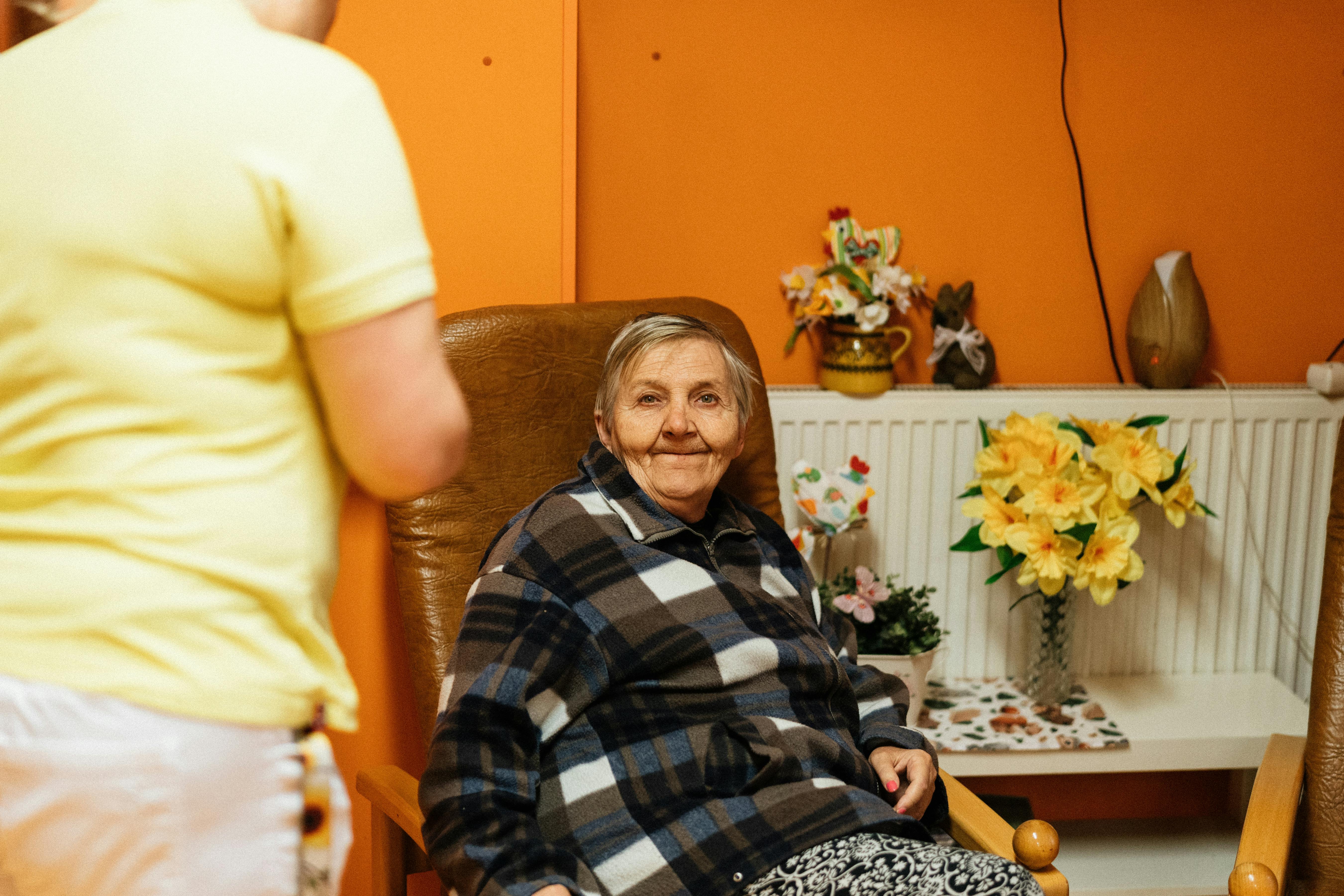
A stable home runs on clear routines that hold across all shifts.
Responsibilities are defined, not assumed. There are plans for when staffing falls short, because it will. Oversight is consistent, not occasional.
Financial reality plays a larger role than most expect.
Many homes underestimate staffing costs or assume occupancy will remain steady.
When those assumptions don’t hold, the pressure shows up immediately in care delivery.
Staffing becomes stretched, burnout increases, and quality becomes inconsistent.
Leadership presence is another dividing line. Homes that function well are not run at a distance.
Leadership stays close enough to understand how care is actually delivered, not just how it is supposed to work.
Why Improving an Existing Home Is Often Harder Than Starting One
Starting from scratch allows you to design structure intentionally.
Improving an existing home means working against what is already in place.
Habits, workarounds, and informal systems develop over time.
They may not be documented, but they shape how care is delivered.
Changing them requires more than new policies—it requires disrupting patterns that staff are used to.
That creates friction.
Some staff will adapt, some will resist, and some will leave.
If changes aren’t managed carefully, the attempt to improve can temporarily destabilize the home.
There are also gaps that remain hidden until examined closely.
Inconsistent documentation, uneven workloads, and breakdowns between shifts often exist below the surface.
Without identifying these clearly, improvement efforts stay superficial.
The Core Systems That Determine Care Quality
Real requirements are not just regulatory—they are operational.

Staffing consistency is one of the strongest predictors of quality. It’s not only about having enough people, but about who those people are and how often they change.
When staff rotate constantly, familiarity disappears. Care becomes transactional instead of responsive.
Daily workflows matter more than written policies.
A home may have clear procedures on paper, but what actually happens during morning routines, medication distribution, or shift transitions is what determines consistency.
If those workflows vary from one shift to another, outcomes become unpredictable.
Communication is another critical point. Information has to move reliably across shifts.
Without structured handoffs, details are missed, tasks are duplicated, and small issues escalate into larger problems.
Oversight ties all of this together.
Someone needs visibility into what is happening in real time. Without it, problems are only addressed after they’ve become patterns.
Where Most Homes Break Down (And Why)
Many homes try to operate as efficiently as possible, but what looks efficient on paper often translates into understaffing in practice.
That pressure shows up quickly—in delayed care, increased stress, and higher turnover.
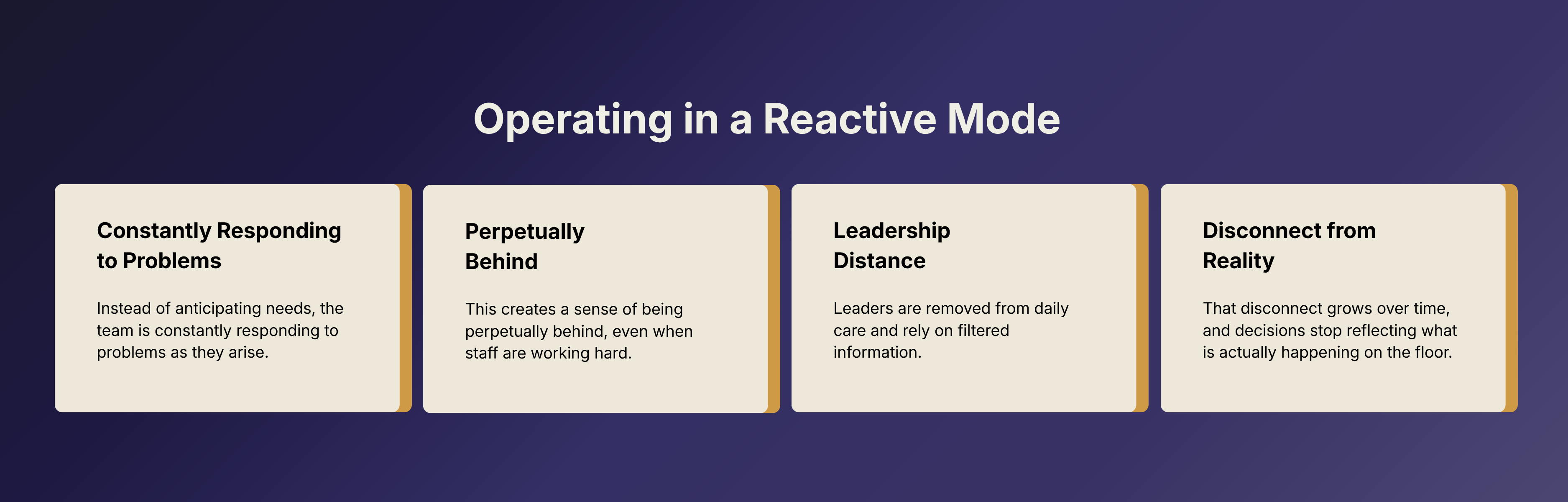
Another common issue is operating in a reactive mode.
What High-Quality Personal Care Homes Do Differently

Stronger homes tend to prioritize stability over growth.
They maintain consistent staffing, predictable routines, and a manageable number of residents.
Expansion doesn’t come at the cost of control. Care is relationship-driven.
Staff know residents well enough to recognize small changes quickly and respond appropriately.
That familiarity cannot be rushed or replaced.
There is also a high level of visibility into daily operations. These homes do not assume things are working—they verify it.
They stay close enough to address issues early, before they become systemic.
How to Evaluate or Improve Your Own Care Home
Improvement starts with clarity.
You need to look at how staffing actually functions across different shifts, not just what is scheduled.
You need to understand how quickly residents receive help and whether communication between caregivers is consistent.
The first fixes are usually structural.
Stabilizing staffing patterns, tightening daily workflows, and strengthening communication systems will have an immediate impact on care experience.
What should not be ignored are the small, repeated issues.
Staff frustration, gaps between shifts, and recurring inconsistencies are early signals.
Left unaddressed, they become embedded in the system.
Before You Build or Try to Fix a Care Home
This is operational work, not conceptual.

You don’t build a strong care home through ideas alone.
You build it through consistent execution, reinforced daily.
There is no point at which a home is “complete.” It requires ongoing attention, adjustment, and accountability.
Quality is not something you design once—it’s something you maintain continuously.
Understanding personal care home requirements is important. But if your focus stops at compliance, you’re only addressing the surface.
What determines whether a home actually works is everything that happens after those requirements are met—inside the routines, the team, and the decisions made under pressure.
ElderCare Solutions Group focuses on supporting more relationship-centered approaches to care—helping families and providers create environments that prioritize dignity, connection, and real daily life.