


Why the Current Assisted Living Model is Struggling

If you’re trying to find care for a parent right now, you’ve probably asked some version of this:
Why is assisted living so expensive—and why does it still feel so hard to trust what you’re getting?
You look at the numbers. You tour a few places. You try to compare options. And instead of clarity, you’re left with more questions.
It can feel like you’re missing something. You’re not.
The reality is simpler—and harder to accept:
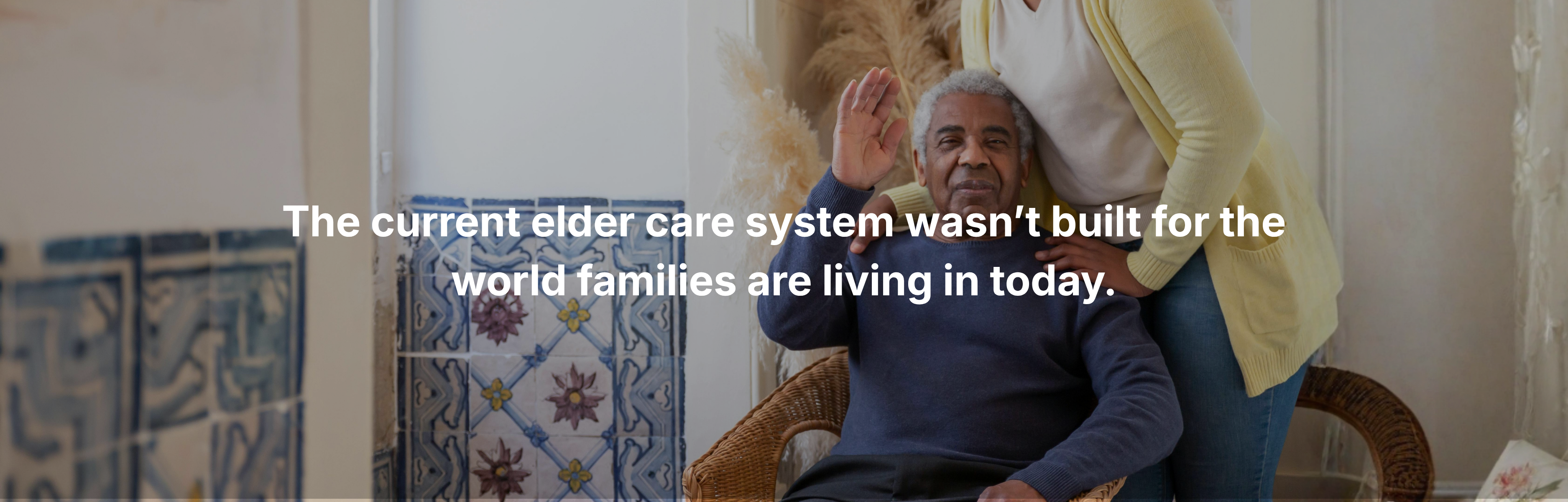
Once you understand that, a lot of what feels confusing starts to make more sense.
The System Was Built for a Different Era
The foundation of assisted living was created in a time when aging looked very different.
It was built around:
Shorter life expectancy
Lower rates of chronic illness
Fewer people needing long-term care
A more institutional approach to support
Today, families are navigating something else entirely:
Parents living longer, often into their 80s and 90s
Higher rates of dementia and complex conditions
A much larger aging population
The system didn’t evolve fast enough to match that shift.
So instead of fitting your situation, it often feels like you’re trying to fit your parent into something that wasn’t designed for them.
The Economics Don’t Work the Way You Think
One of the biggest sources of frustration is cost.
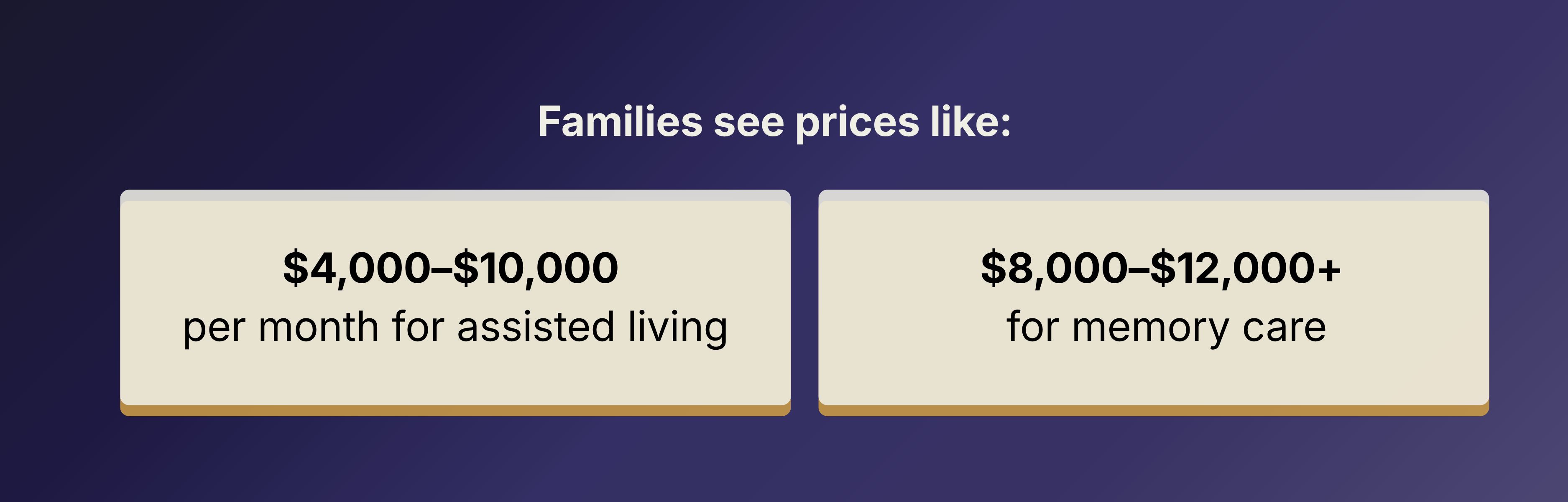
And the natural assumption is:
“At that price, everything should be excellent.”
But here’s the uncomfortable reality:
The economics are strained on both sides.
Families are paying more than they can comfortably afford
Operators are still dealing with tight margins
Facilities are balancing:
Staffing costs
Regulatory requirements
Operational overhead
At the same time, programs like Medicaid often reimburse at rates that make it difficult to sustain high-quality care.
The result is a system under pressure.
And when systems are under pressure, they make compromises.
Families don’t always see those decisions directly—but they feel them:
In staffing levels
In turnover
In how personalized the care actually is
There Simply Aren’t Enough Caregivers
This is one of the most immediate and visible issues.
There are not enough caregivers to meet demand.
And the reasons aren’t complicated:
The work is physically demanding
It’s emotionally heavy
Pay is often lower than it should be
Burnout is common

That affects everything:
Facilities struggle to maintain consistent staffing
Home care agencies have limited availability
Families are left filling in more than expected
If you’ve felt like care is inconsistent or stretched thin, this is often why.
Why Many Assisted Living Settings Feel Impersonal
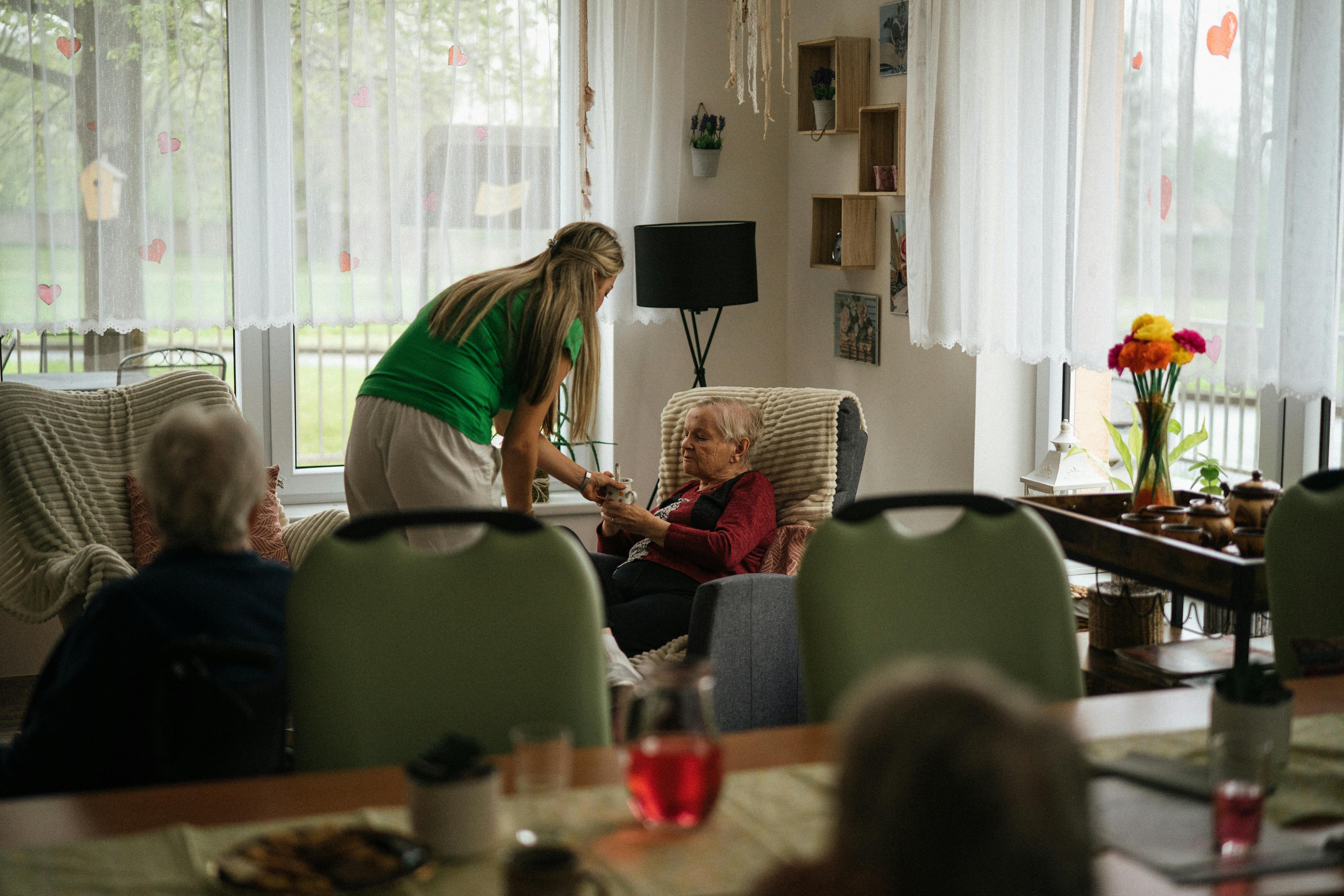
Even when a place looks good on paper, something can feel off.
That usually comes down to how care is structured.
Many larger assisted living environments are built to manage:
Risk
Efficiency
Scale
That often leads to:
Higher staff-to-resident ratios
Rotating caregivers
Structured routines for meals, medication, and daily tasks
Again, this isn’t about bad intentions. It’s about design.
These environments were never built primarily around:
Deep relationships
Familiar daily rhythms
A sense of belonging
And for many residents, that absence is felt over time.
The System Is Fragmented—and Families Feel It
Another challenge most families don’t expect is how disconnected everything is.

You’re trying to make decisions across:
Medical care
Housing
Finances
Legal planning
But there’s no single place that brings it all together.
So what happens?
Decisions get made:
In a rush
Without full information
Often during a crisis
It’s common for families to feel like they’re piecing things together as they go.
And it leads to a quiet but important realization:
Families don’t fail the system—the system often fails families by being too complicated to navigate clearly.
Homes Weren’t Built for Aging Either
Many families try to keep a parent at home as long as possible.
That’s a natural instinct.

But most homes weren’t designed with aging in mind:
Narrow hallways
Unsafe bathrooms
Steps and uneven entries
Limited accessibility
Often, families don’t recognize these risks until something happens.
And at that point, the decision to move into assisted living isn’t always about preference—it’s about necessity.
Aging Has Been Treated as a Medical Problem
Another subtle but important issue is how aging is approached.
In many settings, the focus becomes:
Managing conditions
Reducing risk
Following protocols
All of which matter.
But something can get lost in that process:
The person.
Aging isn’t just a medical experience. It’s a life stage.
When care becomes overly clinical, it can lead to:
Over-structured routines
Less autonomy
Fewer meaningful interactions
Families often sense this, even if they can’t fully explain it.
What COVID Revealed
COVID didn’t create these issues—but it exposed them.

Families saw:
Isolation in facilities
Staffing breakdowns
Limited access to loved ones
Systems struggling to adapt
It forced a lot of people to reconsider what matters most in care:
Connection
Flexibility
Environment
Trust
And it accelerated interest in alternatives like:
Smaller care homes
Family-based senior care
Aging in place when possible
What This Means for You
If you’re feeling overwhelmed, frustrated, or uncertain—it makes sense.
You’re trying to make a decision inside a system that:
Is under pressure
Wasn’t designed for today’s needs
Doesn’t always make things easy to understand
But there is a way to approach this more clearly.
Instead of focusing only on:
Price
Availability
Location
Try to also evaluate:
How the environment actually feels
How caregivers interact with residents
Whether daily life feels structured or natural
Whether your parent would feel known—not just cared for
Those details matter more than most families realize at the beginning.
Looking at Alternatives More Thoughtfully
Because of the limitations in traditional assisted living, many families are exploring other options, including:
Small care homes with fewer residents
Family-based senior care environments
More personalized, relationship-centered models

These settings often aim to provide:
More consistent caregivers
A quieter, more familiar environment
A stronger sense of daily rhythm
They’re not the right fit for every situation—but they can offer a different experience that some families are looking for.
Final Thought

If assisted living feels expensive, complicated, and harder to navigate than you expected, you’re not alone.
And you’re not misreading the situation.
The current model is struggling—not because people don’t care, but because the system itself hasn’t kept up with what families actually need today.
The goal isn’t to find a perfect solution.
It’s to find a place where your parent can be safe, respected, and comfortable—and where you can feel confident in the decision you’ve made.
That clarity matters more than anything else.
ElderCare Solutions Group focuses on supporting more relationship-centered approaches to care—helping families and providers create environments that prioritize dignity, connection, and real daily life.