


Why Are People Who’ve Been in the Industry for Decades Selling Out Now?
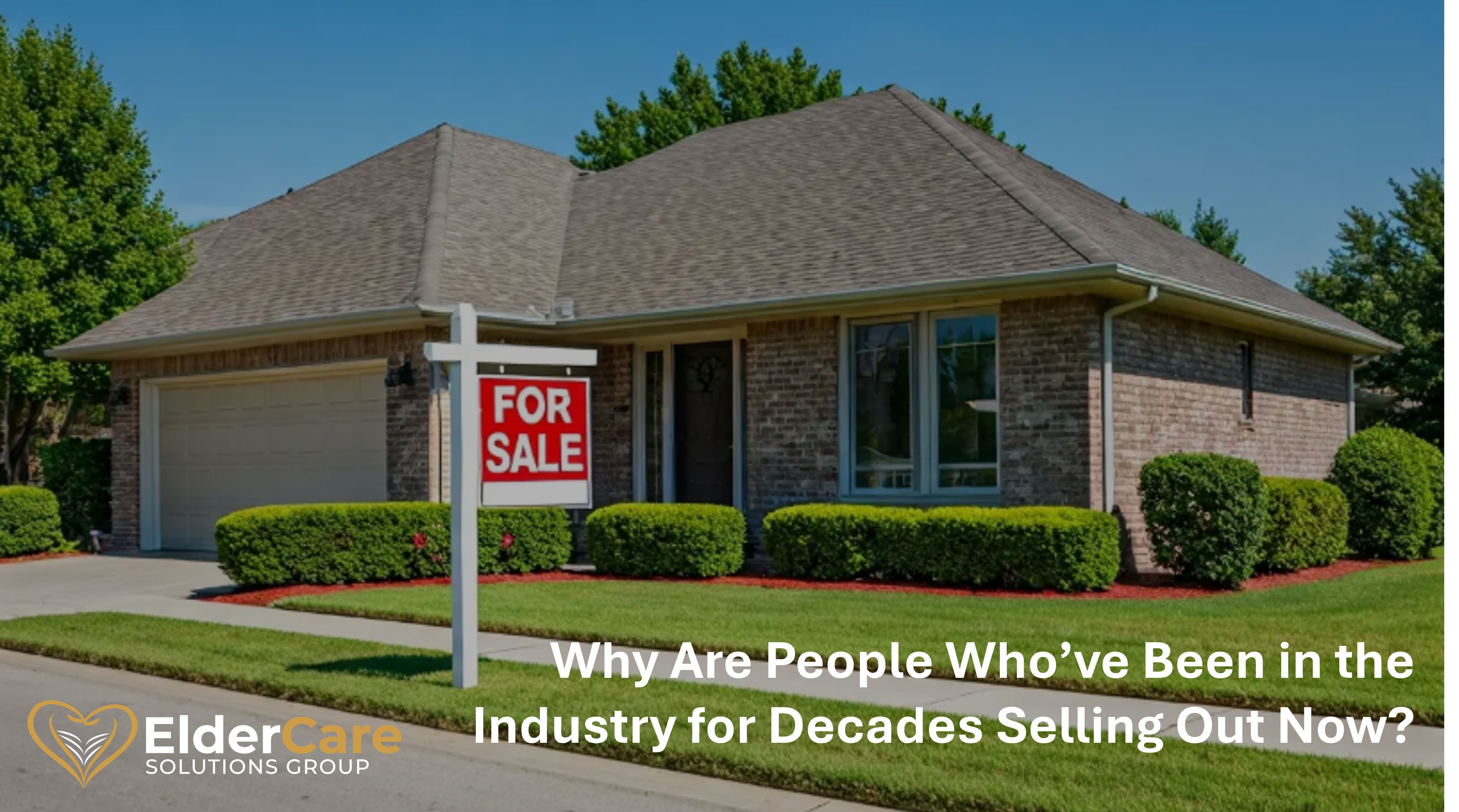
If you’ve been watching the assisted living market, you’ve probably noticed something strange.
The very people who built this industry — the ones with 20, 30, even 40 years of experience — are quietly selling their facilities. And they’re not selling because business is bad. They’re selling in the middle of what the gurus keep calling “the next big thing,” “the hottest opportunity,” and “a guaranteed 30‑year wave of demand.”
So what’s really going on?
Why are the veterans walking away from the very model the newcomers are rushing into?
Let’s start with the obvious: yes, some owners sell because of retirement, divorce, or health issues. That’s true in every industry. But that doesn’t explain the pattern. It doesn’t explain why so many long‑standing operators — people who survived recessions, staffing crises, regulatory overhauls, and everything else the industry has thrown at them — are suddenly done.
To understand that, you have to ask a different question:
What do they know that you don’t?
These owners aren’t reading trend reports.
They are the trend reports.
Their P&Ls tell the story long before the analysts do.
And here’s what they know:
1. The industry is shifting, and not in their favor.
Veteran operators live inside the day‑to‑day reality of licensed care. They see the staffing shortages, the regulatory creep, the rising liability, the shrinking margins. They feel the pressure of trying to survive while being regulated like a medical facility, a hotel, and a compliance center all at once.
They’re tired of trying to revive a model that’s been dying in slow motion for years.
2. COVID didn’t just hurt the licensed model, it exposed it.
These owners were the ones forced to carry out the state’s orders.
They were the ones who had to lock doors, separate families, and watch residents decline in isolation.
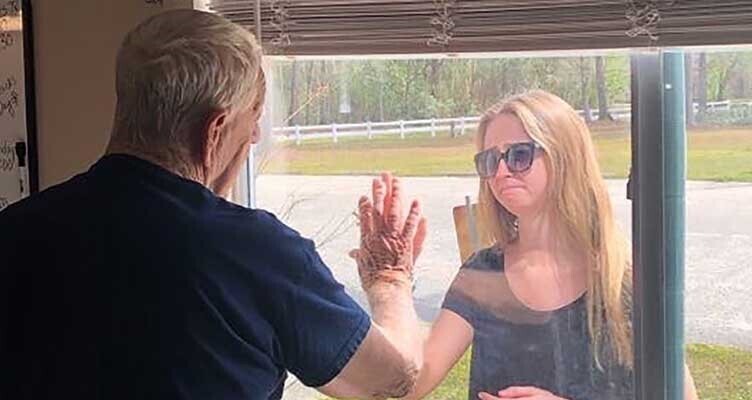
They didn’t choose it.
They didn’t agree with it.
But they were required to enforce it...or lose their license.
And they know the next generation will do anything to avoid being trapped in that system.
3. RAL isn’t the savior it claims to be.
RAL promises to fix everything wrong with big‑box facilities by shrinking the footprint.
But veterans know better.
If the solution were as simple as “move the same model into a house,” they would have done it years ago. They have the experience, the staff, the capital, and the motivation. But they also have the clarity to see that RAL is just the same institutional model - only smaller, tighter, and often more fragile.
They know you can’t solve a broken philosophy by changing the floorplan.
So if the licensed model (big or small) is failing, where do we go from here?
This is the part the Johnny‑come‑lately gurus won’t tell you:
The market wants something different.
Families don’t want institutions.
They don’t want med‑cart living.
They don’t want shift changes, isolation policies, or state‑regulated routines.
They want home.
They want relationship.
They want belonging.
They want care that feels human again.
That’s where we come in.
We don’t build licensed institutions disguised as houses.
That’s what RAL is.
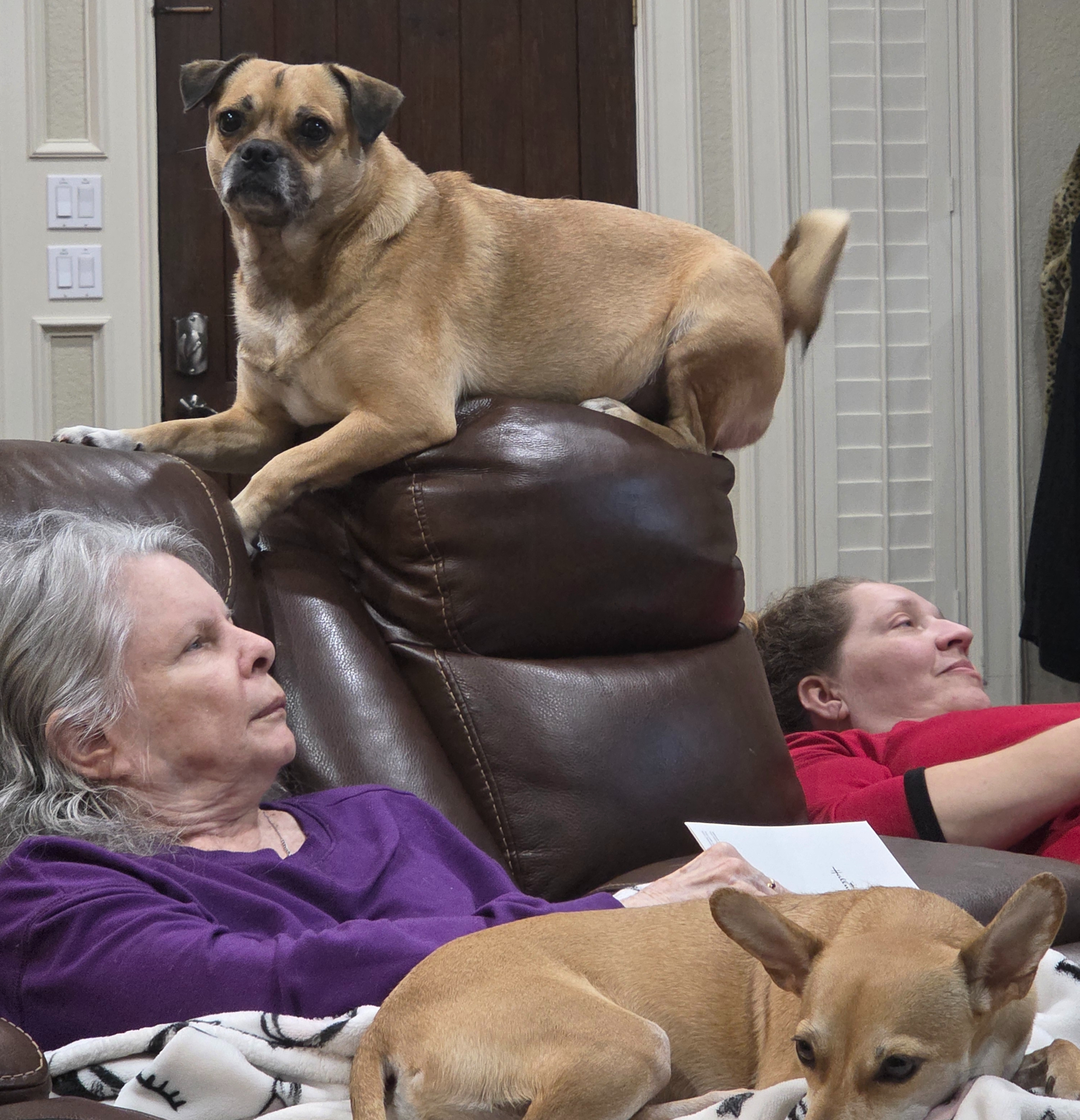
We build REAL:
REAL families
REAL homes
REAL care
Rooted in faith, protected by the First Amendment, and grounded in relationship, not regulation
The industry veterans are selling because they see the writing on the wall.
We’re building what comes next.
ElderCare Solutions Group focuses on supporting more relationship-centered approaches to care—helping families and providers create environments that prioritize dignity, connection, and real daily life.