


RAL vs REAL: How to Recognize the Kind of Care That Actually Feels Like Home
When you start looking for care for a parent, it rarely begins in a calm, well-planned way.
Something changes. A fall. A diagnosis. A slow decline that suddenly isn’t manageable anymore.
And then you’re in it—researching options, touring places, trying to make the best decision you can with limited time and a lot of pressure.
You’ll hear terms like residential assisted living, small care homes, and family-based senior care. On the surface, many of these options can look similar. But once you start walking through doors, you may notice something harder to explain:
Some places feel like care facilities. Others feel like someone’s home.
That difference matters more than most families expect.
What “Residential Assisted Living” Actually Means
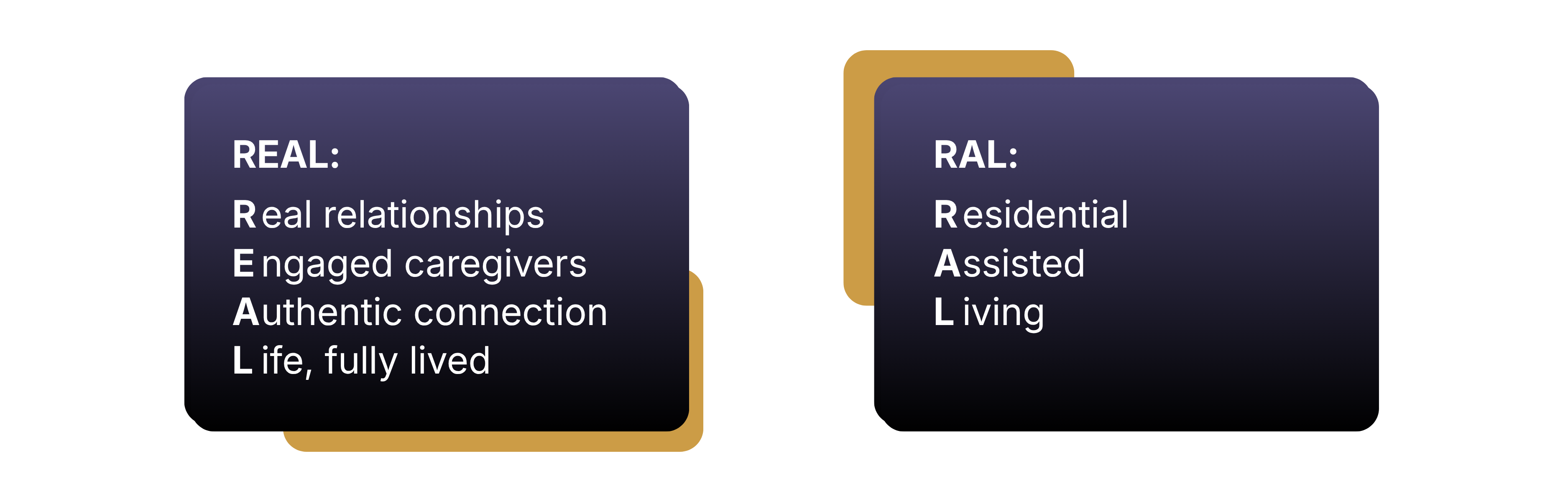
Residential assisted living (often called RAL) is, at its core, a type of state controlled licensed care setting. It typically operates in a house rather than a large facility, which is why many families are drawn to it as an alternative.
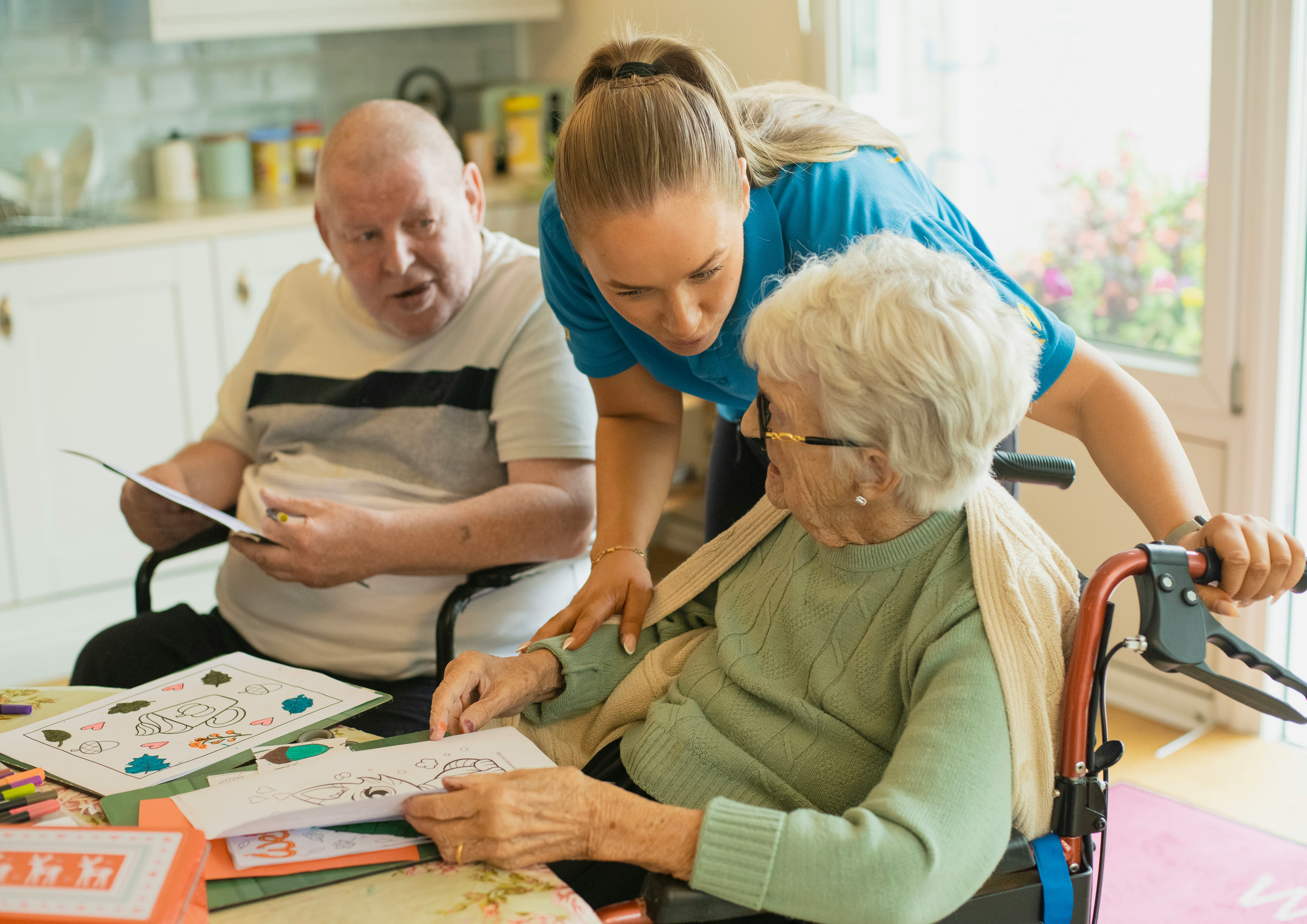
On paper, it checks important boxes:
Smaller number of residents
More personalized attention
A home-like environment
And in many cases, it can be a solid option. But here’s where families often get caught off guard:
Even in a house, these environments still operate like miniature facilities - they have to in order to maintain their state license.
You may notice:
Care structured around staff shifts and schedules
Interactions focused on tasks (medication, meals, hygiene)
A rhythm of the day driven by operations, not the people living there
None of this is inherently wrong. But it can create a feeling that’s harder to name:
It feels organized but not personal.
The Difference Families Are Actually Sensing
This is where the idea of RAL vs REAL becomes useful—not as a label, but as a way to understand what you’re feeling when you walk into a place.
Some environments are built around systems first. Others are built around relationships first.
That difference shows up quickly, even if no one explains it to you.
In what many would describe as family-based senior care, the focus shifts in a noticeable way:
The home doesn’t just look residential—it functions like a household
Caregivers aren’t just completing tasks—they’re part of daily life
The day follows a natural rhythm, not just a schedule
You don’t have to analyze it deeply.
Most families feel it within minutes.
Five Differences You Can Notice Right Away
If you’re comparing residential assisted living alternatives or visiting small care homes, these are the differences that tend to matter most in real life:
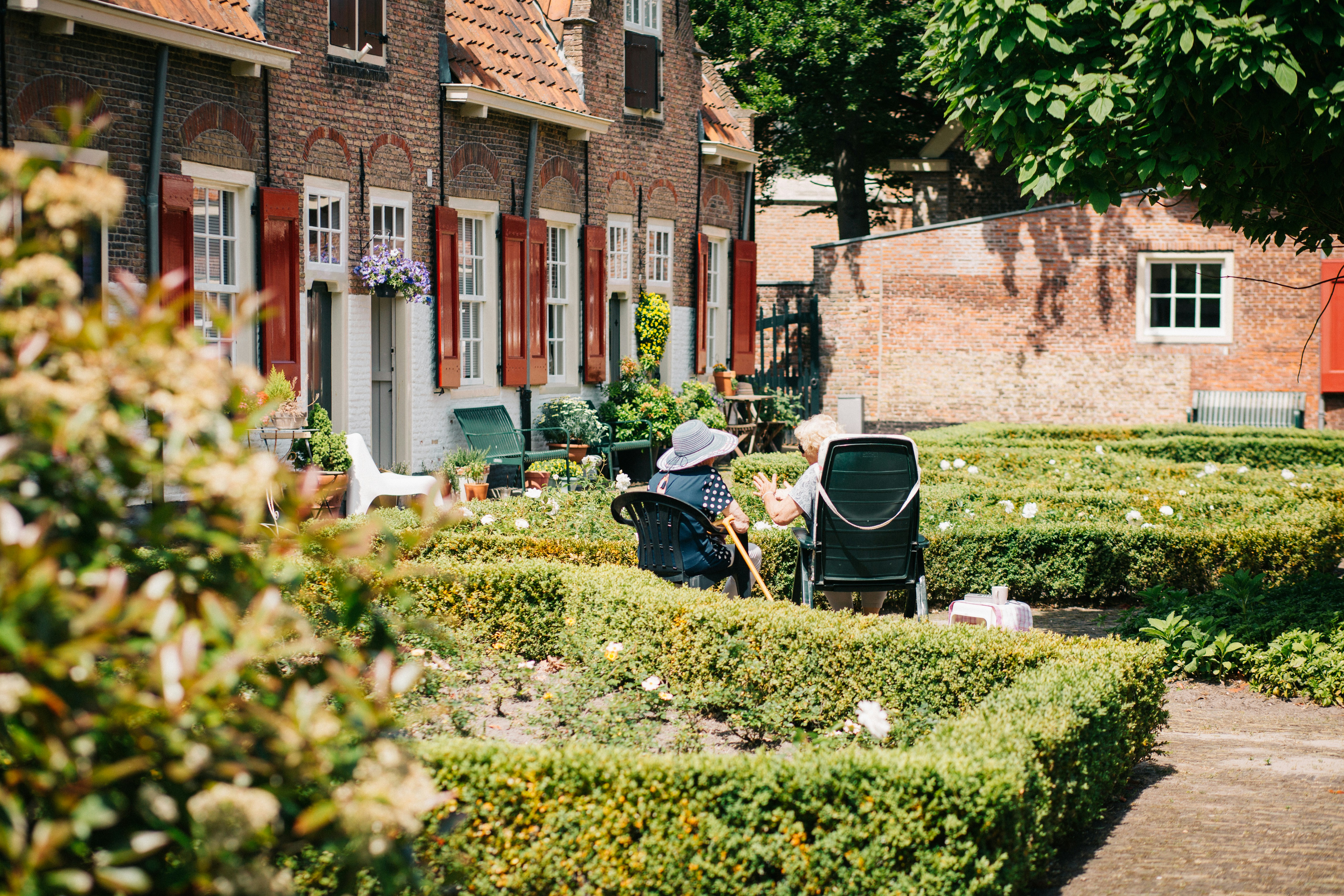
Atmosphere: Structured vs Lived-In
Some homes feel clean, orderly, and efficient—but also slightly impersonal.
Others feel like someone actually lives there:
A table that looks used, not staged
Conversation happening naturally
A sense that you’ve walked into a home, not a setup
You’re not looking for perfection. You’re looking for life.
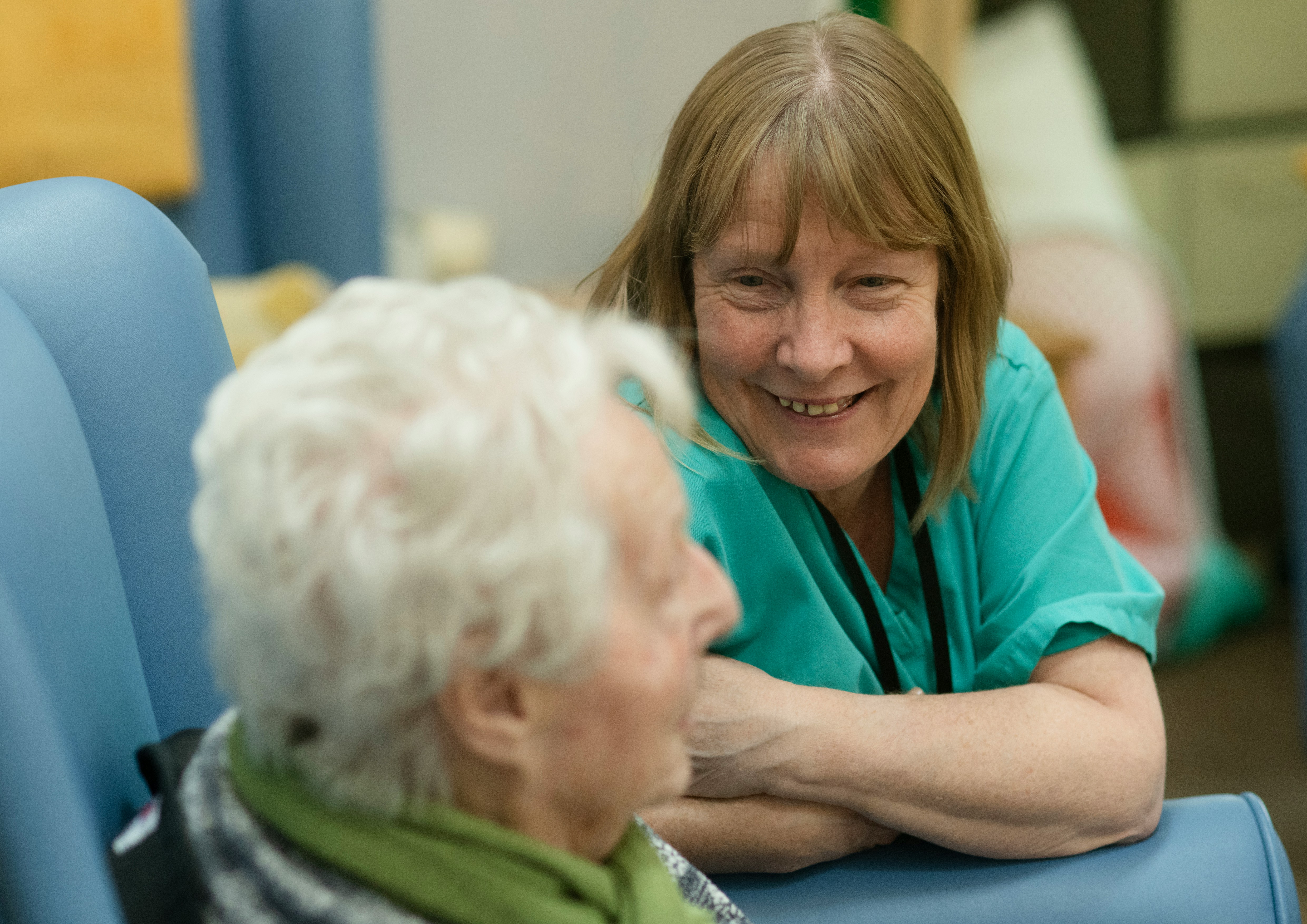
Relationships: Tasks vs Connection
Pay attention to how caregivers interact with residents.
Is it:
“Time for your medication,” “Let’s get you ready,” “Here’s your meal”
Or do you hear:
Names being used naturally
Small talk, familiarity, inside jokes
A sense of knowing the person, not just caring for them
In strong family-centered elder care environments, connection is visible, not implied.

Daily Life: Schedules vs Rhythm
Ask yourself:
Does the day feel managed, or does it feel like it unfolds?
In more structured environments, everything revolves around:
Set meal times
Task completion
Staff transitions
In more home-based models:
Meals feel shared
Activities feel optional, not imposed
The day has a flow that resembles real life
That rhythm can make a significant difference in how comfortable someone feels long-term.
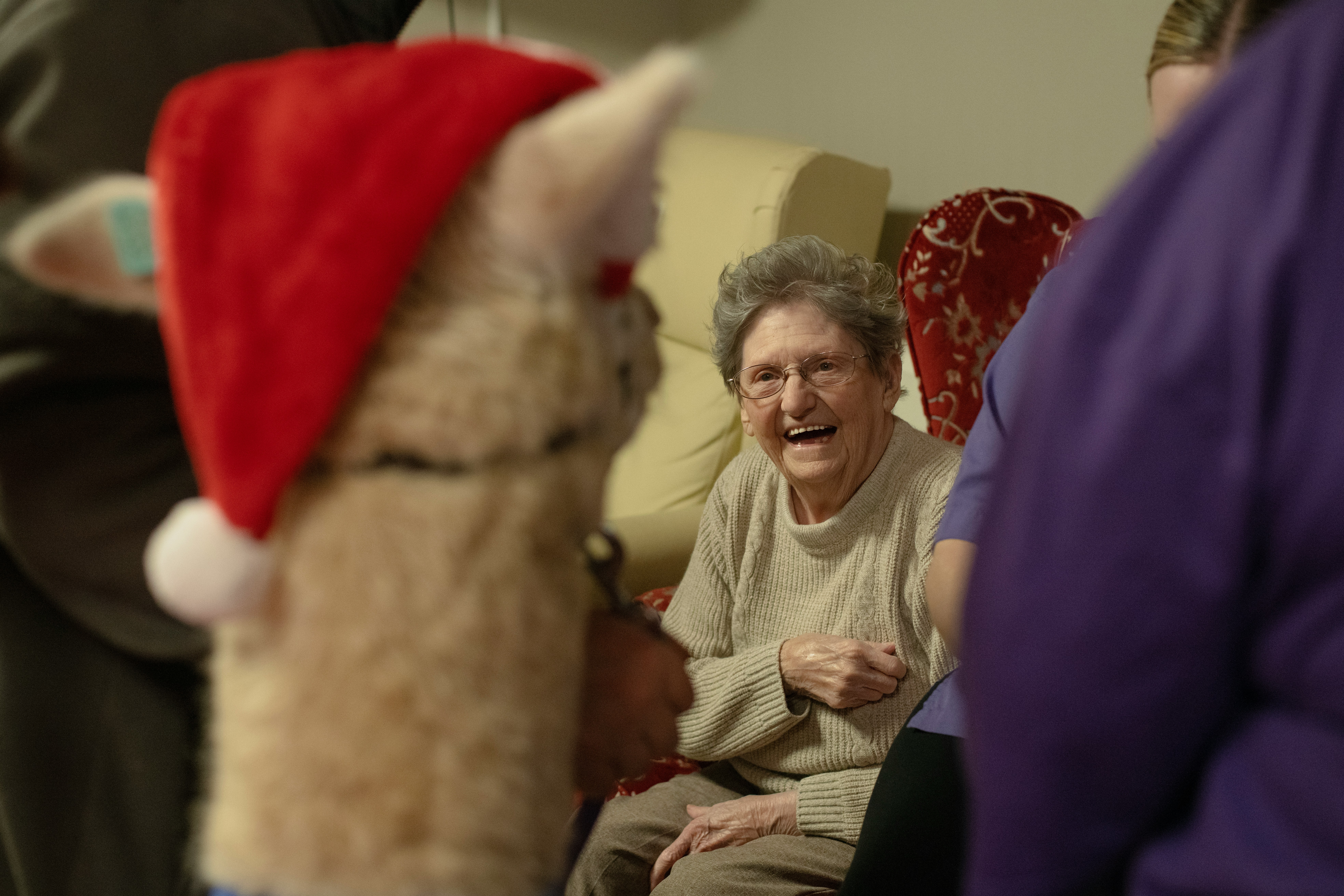
Identity: Patient vs Person
This one is subtle, but important.
Is your parent being treated as:
A patient within a system
Or:
A person with history, preferences, personality
You can often tell by how staff speak about the people in their care.
When identity is preserved, you’ll hear:
Stories
Preferences being honored
Individual habits being respected
Not everything needs to be personalized—but something should be.

Emotional Safety: Supervision vs Belonging
Most care environments can provide supervision.
That’s expected.
But what many families are actually hoping for is something deeper:
That their parent feels safe enough to relax
That they are not just watched—but welcomed
That they feel like they are part of something, not placed somewhere
Belonging isn’t a feature listed on a brochure—but it’s often what families remember most.
How to Evaluate a Home Without Overthinking It
When you’re overwhelmed, it’s easy to focus only on:
Pricing
Availability
Location
Those matter. But they don’t tell you how it will feel to live there.
Here’s a more practical way to evaluate:
ASK YOURSELF, DO YOU WANT TO BE THERE?
WALK IN AND PAUSE
Before asking questions, just observe:
What do you feel in the first few minutes?
Does it feel tense, quiet, busy, relaxed?
WATCH INTERACTIONS, NOT JUST PRESENTATIONS
Anyone can give a good tour.
Instead, look at:
Unscripted moments
How caregivers respond when they’re not “on display”
ASK SIMPLE, HUMAN QUESTIONS
Instead of only operational questions, try:
“What does a normal day look like here?”
“How do you get to know each person?”
“What do residents do when they don’t want to participate?”
The answers will tell you more than a brochure ever will.
Where “Small Care Homes” Fit Into This
Many families exploring residential assisted living alternatives end up considering small care homes because of their size and potential for more personalized care.
That’s a good instinct.
But size alone doesn’t determine quality.
A smaller home can still feel like a facility if:
Everything is task-driven
Staff turnover is high
The environment is managed more than lived in
The goal isn’t just “smaller.”
It’s more human.
A Grounded Way to Think About RAL vs REAL
You don’t need to memorize terms or understand industry language.
A simpler way to approach it is:
RAL tends to reflect a structured, operations-first model inside a home setting
REAL reflects a relationship-first environment that feels like a true household
Both exist. Both can provide care. But they feel very different to live in. And most families recognize that difference quickly, even if they don’t have words for it yet.
Final Thought
If you’re in the middle of this decision, you’re probably carrying more than you expected.
You’re trying to balance:
Safety
Dignity
Practical limits
And what feels right
There isn’t a perfect answer. But there is a noticeable difference between places that are simply organized well—and places where people genuinely belong.
Trust what you see. Trust what you feel. And give yourself permission to choose the environment that feels most like a home.
ElderCare Solutions Group focuses on supporting more relationship-centered approaches to care—helping families and providers create environments that prioritize dignity, connection, and real daily life.